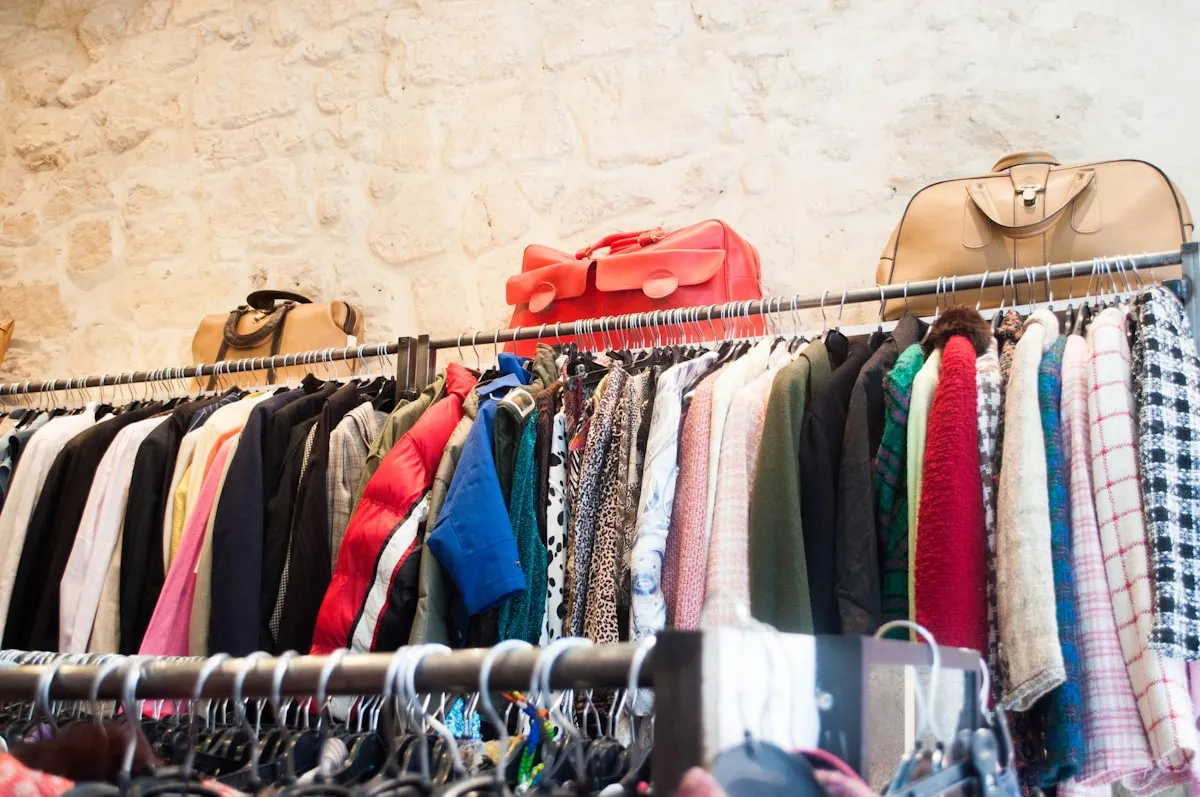
What sells on Depop is mostly secondhand fashion with a clear style: Y2K, 90s and 70s vintage, streetwear, sportswear, denim, going-out tops and accessories. Brand helps, but the era, fit and look matter just as much to Depop's young, style-led buyers. Here is what moves in each category, what Depop's own 2026 trend report points to, and how to check demand on any item before you list it.
What sells on Depop: the short answer
Clothing and accessories with a recognizable style sell best on Depop: Y2K pieces, vintage from the 70s through the early 2000s, streetwear and skate brands, vintage sportswear and jerseys, good denim, going-out tops and statement accessories. Plain, unbranded basics and worn fast fashion are the hardest to move, because buyers come to Depop for a look they can't find in a mall.
Depop is built around browsing by aesthetic as much as by brand. That's why an unbranded 90s slip dress can outsell a newer dress with a better label. When you source, ask two questions: does this item clearly belong to a style people search for, and is it in good enough shape to photograph well?
What Depop's 2026 trend report points to
Depop published its 2026 trend report, "The Edited Self", in December 2025. It groups what its users are searching for into four trends. Depop describes rising search interest for each but doesn't publish percentages, so read these as directions rather than guarantees.
| Trend | Items Depop names | What to source |
|---|---|---|
| Modern Uniforms | Workwear jackets, peacoats, office shirts, boxy knits, crisp button-downs | Neutral, well-made basics with a brand or good fabric |
| Neo Nostalgia | Bandage dresses, JNCO jorts, medieval-inspired silhouettes, with 70s, 90s and early 2000s references | Era pieces that clearly read as their decade |
| Everyday Ceremony | Structured blazers, kitten heels, statement jewelry, tailored coats, draped skirts, metallic fabrics | Dressier pieces that still work day to day |
| Romanticized Sports | Tennis whites, vintage jerseys, bike shorts, ski layers, vintage Lululemon, ballet flats | Sportswear with a vintage or polished feel |
Depop's report also points to 2026 events, including the World Cup, as part of the interest in jerseys and sports styling. Trends move fast, so check them against live search, using the method further down, before you buy in bulk.
The styles and item types that sell on Depop
Below is what tends to move in each category and what makes one piece sell faster than another. For brand-by-brand sourcing lists, see brands that sell fast on Grailed and Depop; this section is about the item types and the details buyers check.
Y2K
Y2K is still one of Depop's core styles: baby tees, low-rise jeans and skirts, velour sets, rhinestone and butterfly details, mini skirts, cargo pants and logo-heavy early-2000s brands. Small sizes (XS to M) and pieces that look unmistakably 2000s move best. A generic stretchy top from 2003 is not Y2K to a buyer unless it has the look. For the vocabulary and photo styling that sell these pieces, use how to list Y2K and streetwear on Depop.
Vintage (70s, 80s and 90s)
True vintage covers a lot: 70s flares and prairie dresses, 80s blazers and knitwear, 90s slip dresses, windbreakers and graphic tees. What sells is condition plus clear era signals: a single-stitch tee, a union or made-in-USA label, period-correct prints and fits. Band, tour, racing and sports-team tees are a strong sub-category; the vintage band tee listing guide explains how to date and describe them.
Streetwear and skate
Streetwear buyers on Depop look for recognizable logos, skate brands, oversized or boxy fits and graphic pieces from the 90s and 2000s. Authenticity matters more here than in any other category, so only list what you can verify, and photograph tags, labels and any authenticity details. Hype pieces with a resale market of their own may sell to more informed buyers on Grailed, but mid-priced streetwear, skate tees and vintage logo hoodies suit Depop well.
Sportswear and athleisure
Vintage jerseys (football, soccer, basketball, hockey), track jackets, windbreakers, warm-up pants and branded athleisure all fit Depop's "Romanticized Sports" trend. Depop called out vintage Lululemon by name. Tennis-style whites, pleated skirts, bike shorts and ski layers also fit. With jerseys, list the team, player, season and whether it's a replica or authentic version if you know it, since buyers search those details.
Denim
Jeans are one of the most reliable categories on any resale site, and Depop is no exception. Vintage Levi's (501, 550, 505 and similar), baggy and straight-leg cuts, low-rise 2000s styles, jorts, denim skirts and trucker jackets all draw searches. Measurements are the deciding factor: buyers want waist, rise, inseam and leg opening because vintage sizing runs inconsistently. For dating Levi's and spotting valuable details, see how to list vintage denim.
Going-out tops and dresses
Corset tops, mesh and lace tops, halter and backless styles, satin camisoles, sequin and metallic pieces, mini dresses and bandage dresses (named in Depop's 2026 report) sell to buyers shopping for an event or a night out. Seasonality matters: party and festival pieces tend to move better ahead of holidays, prom season and summer festivals, so time your listings for when buyers are looking.
Accessories
Accessories are easy to ship and fast to list. Shoulder bags, baguette bags, vintage leather bags, belts, trucker and baseball caps, scarves, sunglasses and statement jewelry all fit Depop's audience. Depop's report highlights statement jewelry and bold accessories. Sterling silver, signed costume jewelry and recognizable designer pieces need clear close-ups of hallmarks, stamps or logos.
Shoes
Ballet flats, kitten heels (both in the 2026 report), platform shoes, chunky boots and classic sneakers all sell. Show the soles and any creasing, and give the size system (US, UK or EU) clearly. Shoes are heavier, so check the shipping cost before you price.
What is harder to sell on Depop
Knowing what to skip saves you money at the thrift store:
- Plain fast fashion basics. An unbranded black tee or a recent mall-brand top competes with thousands of similar listings and buyers who can buy it new cheaply.
- Items with heavy wear you can't photograph around. Stains, pilling and stretched necklines put Depop buyers off unless the piece is rare vintage.
- Formalwear with no clear style. Suits and plain office wear move slowly unless they fit a trend, like the workwear and tailoring pieces in Depop's "Modern Uniforms".
- Anything you can't authenticate. Counterfeits are banned, and a listing that looks like one can get removed.
- Bulky, low-value items. If shipping costs nearly as much as the item, buyers usually pass.
How to check demand on Depop before you buy or list
Trend reports tell you the direction. Depop itself tells you whether a specific item will sell. Run this check on your phone in the store; it takes about five minutes.
- Search the item the way a buyer would. Type the brand, item and era ("vintage Levi's 550", "y2k baby tee"). A very large number of active listings means heavy competition; very few may mean low demand or a rare find.
- Filter by size and condition. Depop's filters only show listings whose details match, so filter to your item's size and condition to see your real competition.
- Look at sold prices. Open a few shops that sell the same kind of item and scroll to their sold items. That shows what buyers actually paid, not just asking prices.
- Use Depop's suggested price. When you start a listing, Depop may show a suggested price range and similar items that have sold. Depop bases it on details like brand, product type and condition, and says it doesn't guarantee a sale, but it's a useful second opinion on demand.
- Tap a hashtag. A tag like #y2k or #vintagejeans shows how busy that style is right now. Our Depop hashtags guide explains what a healthy tag feed looks like.
- Watch your own likes. Once you list, likes and views in the first week are your best demand signal. Depop counts views, likes and adds to bag as popularity in its ranking.
Prices on Depop vary too much by brand, size, era and condition to give reliable ranges for whole categories. Two Levi's 501s can sell for very different amounts depending on the decade and the fit. Use sold listings and Depop's suggested range for the specific item in your hand, then see how to price items to sell to set your number.
Where to find items that sell on Depop
Thrift stores, Goodwill outlets (the bins), estate sales, garage sales and your own closet all work. Go to the racks where Depop styles hide: women's tops for baby tees and going-out pieces, men's tees for vintage graphics, outerwear for workwear jackets and windbreakers, and accessories for bags and jewelry. Look at labels, stitching and fabric before price. For a step-by-step bins routine, read the bins thrift sourcing guide.
Turn good finds into sales
A great item still needs a listing that buyers can find. Lead the description with the brand, era, item and size, photograph it well, use five relevant hashtags and fill every field. If you're new to the platform, our guide on how to sell on Depop covers shop setup, fees, shipping and payouts step by step.
If writing every description is what slows you down, the Quicklist AI Depop listing generator writes the first line, description and hashtags from a few words or a photo and fills them into the Depop form. It doesn't crosslist or automate anything on Depop. You get 2 free listings with no card, and paid plans start at $2.99 a month on the pricing page.
Frequently asked questions
What sells best on Depop?
Clothing and accessories with a clear style: Y2K, vintage from the 70s to the early 2000s, streetwear and skate, vintage sportswear and jerseys, denim, going-out tops and statement accessories. Items that clearly belong to a searchable style tend to sell faster than plain basics, even when the basics have a better label.
What is trending on Depop in 2026?
Depop's 2026 trend report names four trends: Modern Uniforms (workwear jackets, peacoats, button-downs), Neo Nostalgia (70s, 90s and early 2000s pieces like bandage dresses and JNCO jorts), Everyday Ceremony (structured blazers, kitten heels, statement jewelry) and Romanticized Sports (vintage jerseys, tennis whites, ski layers, vintage Lululemon).
How do I know if something will sell on Depop?
Search for it the way a buyer would, filter by size and condition, check sold items in shops selling similar pieces, and look at Depop's suggested price range when you start a listing. After you list, likes and views in the first week show you whether there's demand.
Can you see sold items on Depop?
Yes, in a few ways. Shops show their sold items below active listings, and Depop may show similar sold items with a suggested price range when you create a listing. Whether search itself offers a sold filter has varied by app version, so check your app.
Does vintage sell well on Depop?
Yes. Vintage is one of Depop's core categories, especially 90s and early 2000s pieces, graphic and band tees, denim and sportswear. Condition and clear era details such as single stitching or made-in-USA labels make the difference.
What doesn't sell on Depop?
Plain unbranded basics, recent fast fashion, heavily worn items, bulky low-value pieces where shipping costs too much, and anything you can't authenticate tend to sit. Counterfeits are banned outright.