
A buyer types "Madewell denim jacket medium" into Poshmark, scrolls a feed of near identical pieces, and buys from one of the first results. Yours is on page four, so it never had a chance. The item was fine and the price was fine. What lost was the listing, because the words and signals the algorithm reads did not match what that buyer searched. Understand how the 2026 algorithm decides who shows up, and the same closet starts surfacing in front of people already reaching for their wallet.
- What the Poshmark algorithm is actually doing
- What changed in 2026
- Keywords in your title: the highest leverage fix
- Keywords in your description: trust plus a wider net
- Attributes and tags: the filters buyers actually use
- Sharing and freshness: activity is a signal, not a hack
- Photos: your thumbnail is the first ranking test
- Your tonight checklist
- FAQ
This guide breaks down how Poshmark ranks listings in 2026, what changed with the For You feed and photo scoring, and the keyword moves that decide whether you get found. By the end you will know why items sit unseen and what to fix first.
What the Poshmark algorithm is actually doing
Poshmark behaves like a search engine wearing a social app. Most sales start when a buyer types a brand, item, size, or style into the search bar, not when they scroll aimlessly hoping to stumble on your closet. So the real question is never whether your item is good. It is whether your listing matches what the buyer searched, and whether the algorithm trusts it enough to rank it near the top.
A handful of signals carry most of the weight:
- Relevance. How closely your title, description, and attributes match the words a buyer types. This is the heaviest factor, and it decides whether you appear at all.
- Freshness. Recently shared, edited, or newly listed items get a visibility lift. The default Just Shared sort rewards activity directly.
- Engagement. Likes, comments, and shares from other users tell the algorithm buyers want the piece, so it shows it to more of them.
- Seller trust. Items sold, on time shipping, and recent activity now feed into how widely your listings reach.
Most sellers fixate on freshness, the lever they can spam, and ignore relevance, the lever that decides everything. Get the words right first.
What changed in 2026
The mechanics shifted in a few ways that quietly reshuffled who gets seen, and most generic advice has not caught up.
- The For You feed replaced the following feed. In early 2025 Poshmark swapped the old chronological following feed for an algorithmic For You feed. Reach is now decided by relevance and engagement rather than how many followers you have, so a small closet with sharp listings can outrank a big one with vague ones.
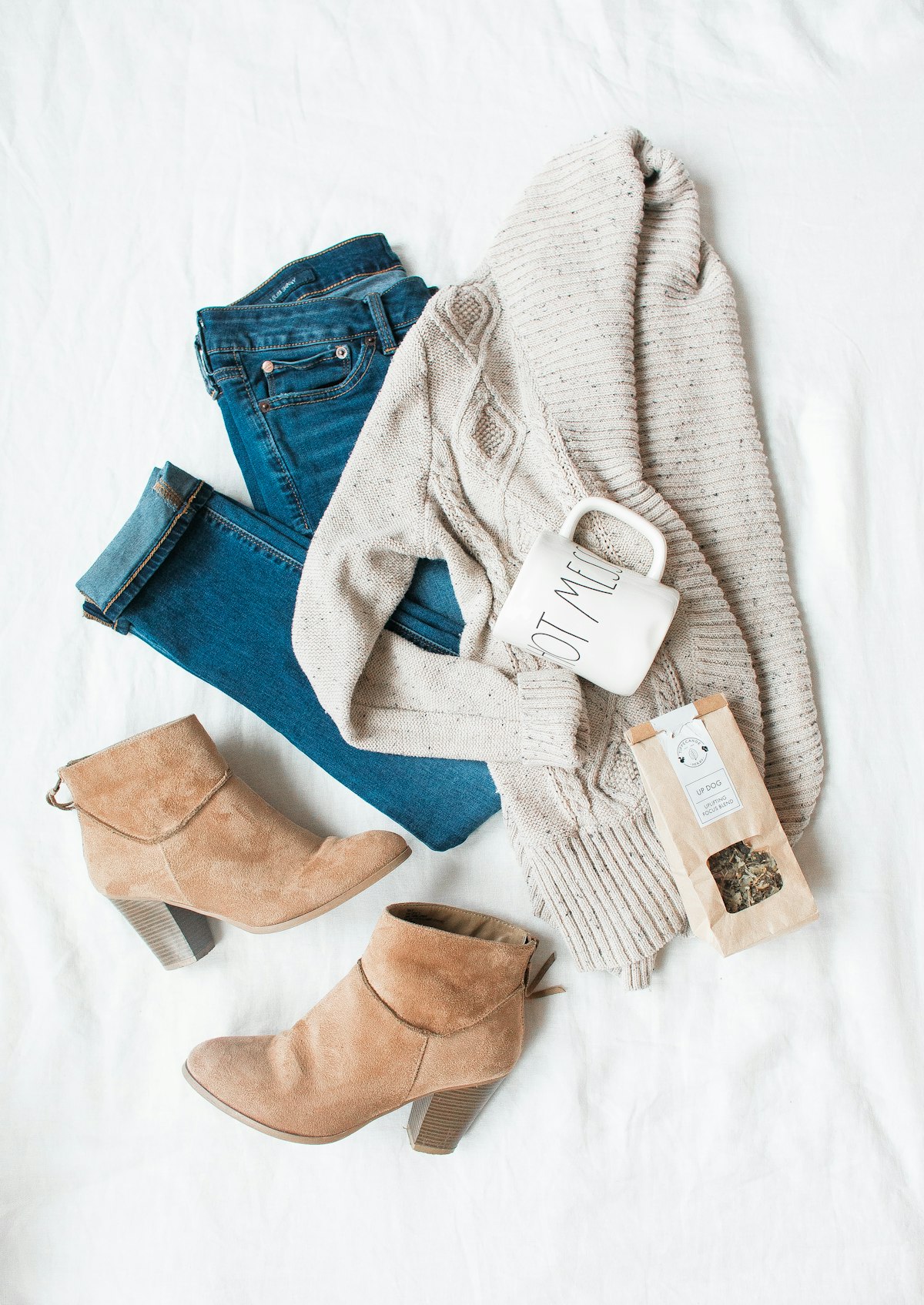
- Photos are scored, not just shown. Poshmark now evaluates image quality, and blurry, dark, or cluttered cover shots can be pushed down. Cover images are also being standardized to clean backgrounds and a consistent crop, so your first photo has to read clearly at thumbnail size.
- Party shares lost weight. Posh Party shares carry less ranking influence than they used to, because automated party sharing rarely signals genuine buyer interest. Real engagement from real shoppers counts for more.
- Trust signals went public. Buyers can now see seller stats like items sold, average ship time, and last active. Shipping on time and staying active strengthen those numbers, which supports your reach.
The takeaway is that the algorithm rewards listings that are genuinely well built and accounts that are genuinely active. It is harder to game with shortcuts than it once was.
Keywords in your title: the highest leverage fix
Your title carries more ranking weight than anything else you write, so if you optimize one thing, optimize this. Yet most stalled listings have a title like "gorgeous summer dress so cute" that matches nothing a real buyer would ever type.
Write the title to read naturally and search well. Lead with the terms a shopper actually searches, then layer in detail. A reliable pattern is brand, then item, then size, color, and style. "Madewell denim jacket medium blue" beats "cute jean jacket." "Lululemon Align leggings 6 black" beats "comfy workout pants." Poshmark buyers search brands constantly, so a missing brand name is a missing chunk of traffic.
A fast gut check: would a real person type these exact words into the search bar? If the title reads like a caption or a compliment, rewrite it around the words buyers use.
If writing a sharp, search ready title for every single item is the part you keep avoiding, that is exactly the friction our Poshmark listing generator removes. It reads your photos and writes the brand and style title plus a full description, so each piece is built to be found the moment it goes live.
Keywords in your description: trust plus a wider net
Your description does two jobs at once. It builds the buyer trust that closes a sale, and it widens your keyword footprint so you match more searches. You do not need an essay. You need the right words in plain language.
Cover what buyers ask anyway: brand, size and fit, material, condition and any flaws, measurements, and the style or era. Naming the vibe, like "Y2K," "coquette," or "quiet luxury," lands you in aesthetic searches a bare title misses. Repeat your main keywords naturally and fold in obvious synonyms, since one buyer searches "jacket" while another searches "coat." Listing real flaws honestly tends to build confidence rather than cost the sale.
One trap worth flagging: do not paste the same brand name a dozen times across the title, description, and tags. Stuffing reads as spam and can quietly shrink your visibility. Place each keyword where it belongs and move on.
Attributes and tags: the filters buyers actually use
Poshmark lets you set structured attributes like brand, category, size, and color. These are not decoration. They power the filters buyers click to narrow a search, so a listing tagged correctly shows up inside those filtered results while a mistagged one disappears from them entirely.
Fill every attribute field accurately, even the ones that feel obvious. The wrong category or a blank color is a quiet way to vanish from a search you would otherwise win. Complete attributes also signal a complete listing, which is the kind of quality cue the 2026 algorithm rewards.
Sharing and freshness: activity is a signal, not a hack
Sharing matters, but understand why. A share refreshes the listing’s timestamp and pushes it back up the Just Shared sort, and it signals to the algorithm that your account is active. It does not, on its own, make a poorly written listing rank. Think of sharing as keeping a relevant listing visible, not as a substitute for relevance.
Two honest points to keep your effort where it pays:
- Fresh beats stale, but relisting is not a daily chore. A genuinely new listing gets a temporary boost in Just In results. Deleting and reposting a piece that has truly stalled for weeks can make it look fresh again. Doing this constantly is wasted motion, and the algorithm reads natural activity better than frantic activity.
- Engagement you cannot fake counts most. A listing with real likes and shares from other users outranks an identical one with none, even if you self share more often. Earn that with strong photos and titles, not volume of taps.
Photos: your thumbnail is the first ranking test
Because Poshmark now scores image quality and standardizes cover shots, your first photo has to do real work. It is the thumbnail in every search and feed, and it is the difference between a tap and a scroll past.
Shoot in bright, natural light near a window, avoid flash, and show the full item clearly against a clean background. Sharp, well lit photos help your listing clear the quality bar, while dark or cluttered ones risk getting buried before a buyer ever reads your perfect title. The words get you into the search. The photo earns the click once you are there.
Your tonight checklist
Run every quiet listing through this:
- Does the title lead with the terms a buyer would actually search, brand first?
- Does the description cover size, material, condition, measurements, and the style or era?
- Are all attribute fields, including category and color, filled in accurately?
- Is the brand name kept to a sensible number of mentions, not stuffed everywhere?
- Is the cover photo bright, sharp, clean, and clear at thumbnail size?
- Have you relisted the truly stale pieces rather than just sharing them on repeat?
Fix the ones that fail, and the buried listings start surfacing.
When you are ready to stop hand writing every title and description, install QuickListAI free on the Chrome Web Store. Your first listings are free, so you can see what a found in search listing does before you commit.
Try the Poshmark AI Listing Generator
Generate Poshmark titles, descriptions, and style tags in seconds, then auto-fill them on the listing form. 2 free listings, no credit card required.
Add to Chrome, FreeFrequently asked questions
It weighs relevance most heavily, meaning how well your title, description, and attributes match what a buyer searches. Freshness from recent activity, engagement like likes and shares, and seller trust signals also count. Relevance is what decides whether you appear at all, so fix your keywords before anything else.
Yes, but indirectly. Sharing refreshes a listing in the Just Shared sort and signals that your account is active, which supports visibility. It does not make a poorly written or mistagged listing rank on its own, so treat it as keeping relevant listings visible rather than a standalone growth hack.
In early 2025 Poshmark replaced the chronological following feed with an algorithmic For You feed. Reach is now driven by relevance and engagement instead of follower count, so a smaller closet with well written, well photographed listings can out reach a larger one that relies on vague titles.
It can, for items that have genuinely stalled. A fresh listing gets a temporary lift in Just In results, and deleting and reposting a long stale piece can make it look new to the algorithm. Doing it constantly is wasted effort, since natural activity reads better than frantic relisting.
Yes. Poshmark now evaluates image quality and standardizes cover shots, so blurry, dark, or cluttered photos can be pushed down while clear, bright ones help your listing rank. Your cover photo is the thumbnail in every search, so it has to read clearly at small size.
QuickListAI writes a search ready title and description from your photos and auto fills them into the Poshmark listing form, focused on the keywords that drive discoverability. It is not a crosslister, it does not self share or bump your closet, and it does not delist sold items. It removes the writing work so each listing is built to be found.